
What's lurking in your code?
Rogue AI agents, malware, implants, leaked credentials — five layers of deterministic threat detection flush them out, and a merge gate stops them at the pull request.
FLUSH THEM OUT — AI THREAT DETECTION →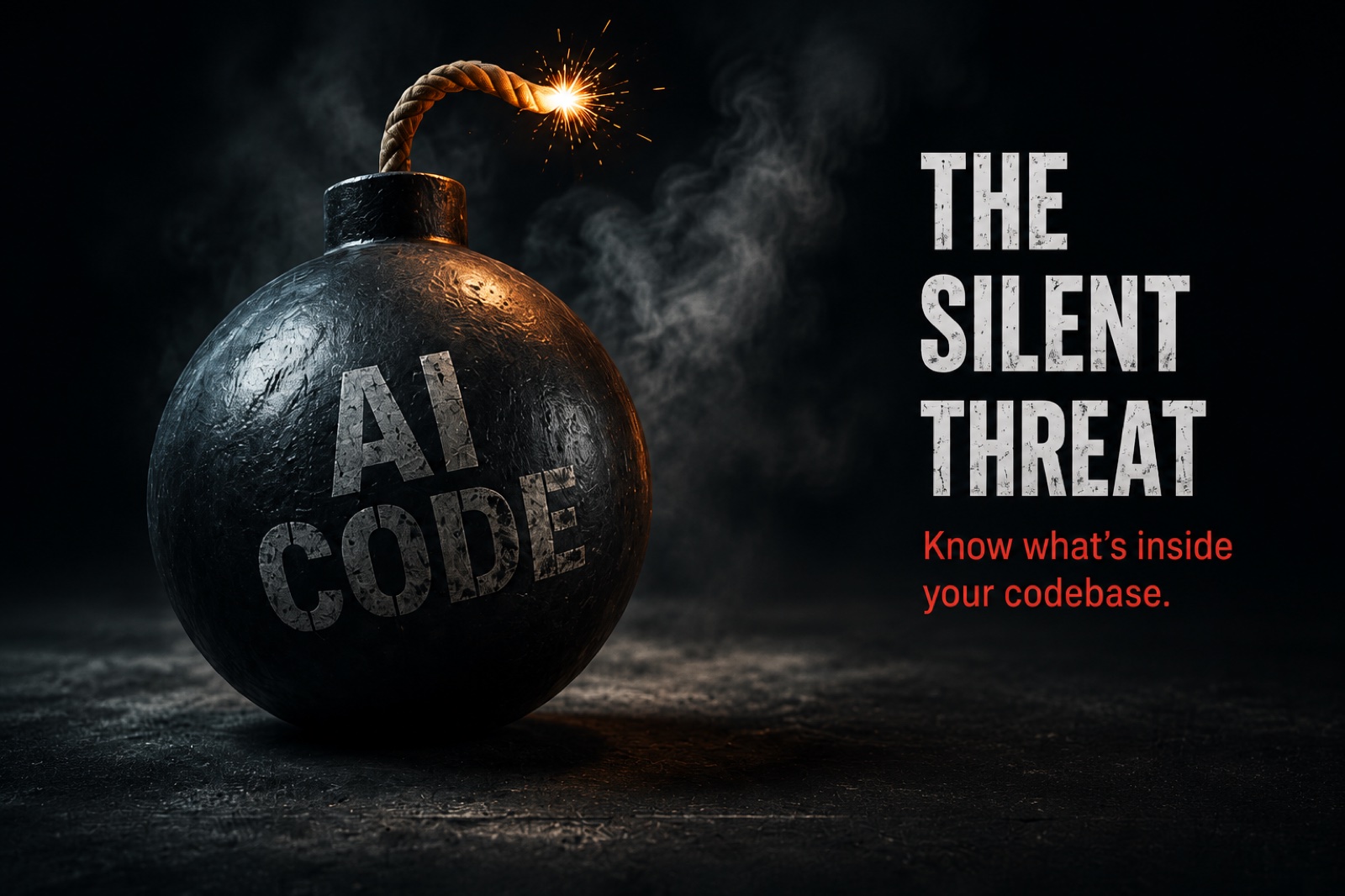
AI wrote it. Nobody reviewed it.
Agent Scan finds every place your code calls AI — agent SDKs, model endpoints, exec-on-model-output — and rolls it into an AI Bill of Materials.
DEFUSE IT — AGENT SCAN →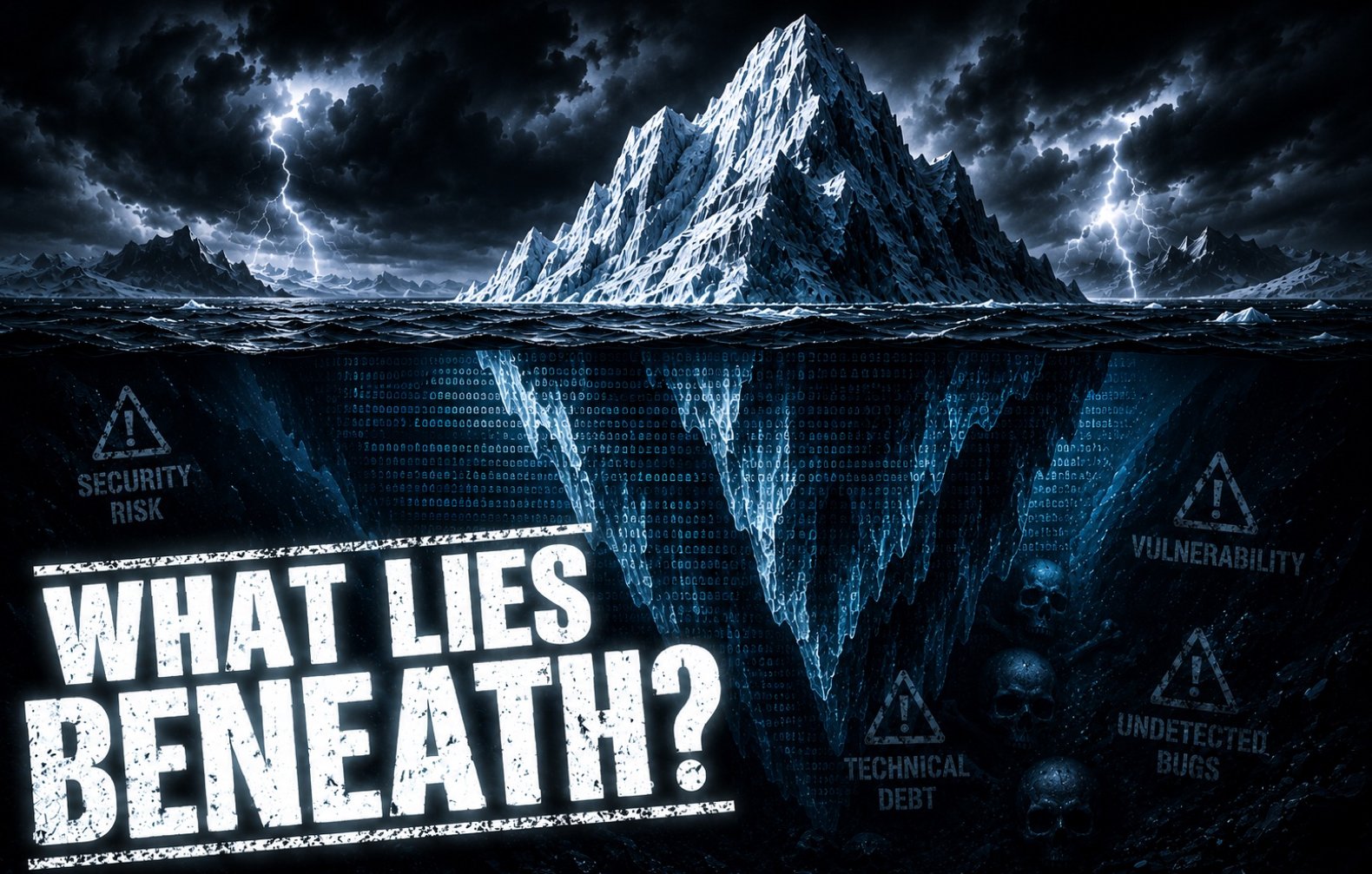
The industry already knows.
Docker surveyed 800+ practitioners: 60% run AI agents in production, and security is the #1 blocker. Their numbers — and our answers.
THE INDUSTRY, IN NUMBERS →
Why you need CodeDelta!
The two-page answer for whoever pays for the code: you can see what engineering costs, but nothing shows what the money actually changed. Waste, risk and governance — with numbers.
HOW CODEDELTA SAVES YOU TIME AND MONEY →
Your codebase is moving. How fast? Where?
CodeDelta measures exactly what changed between two snapshots — changed, deleted, added and churned logical statements, per file, per language, at any scale.
TAKE BACK CONTROL — THE METHOD →
See it before it erupts.
Churn reports, AI audit, agent findings and a Code Browser with a side-by-side diff — evidence your auditors, security team and engineers can all read.
LOOK INSIDE — THE OUTPUT →
AI barely edits your code. It replaces it.
Replacement churn (REP) measures how much of your change is wholesale rewrite rather than careful edit — a signature of AI-assisted development.
MEASURE THE MELTDOWN — THE REP PAPER →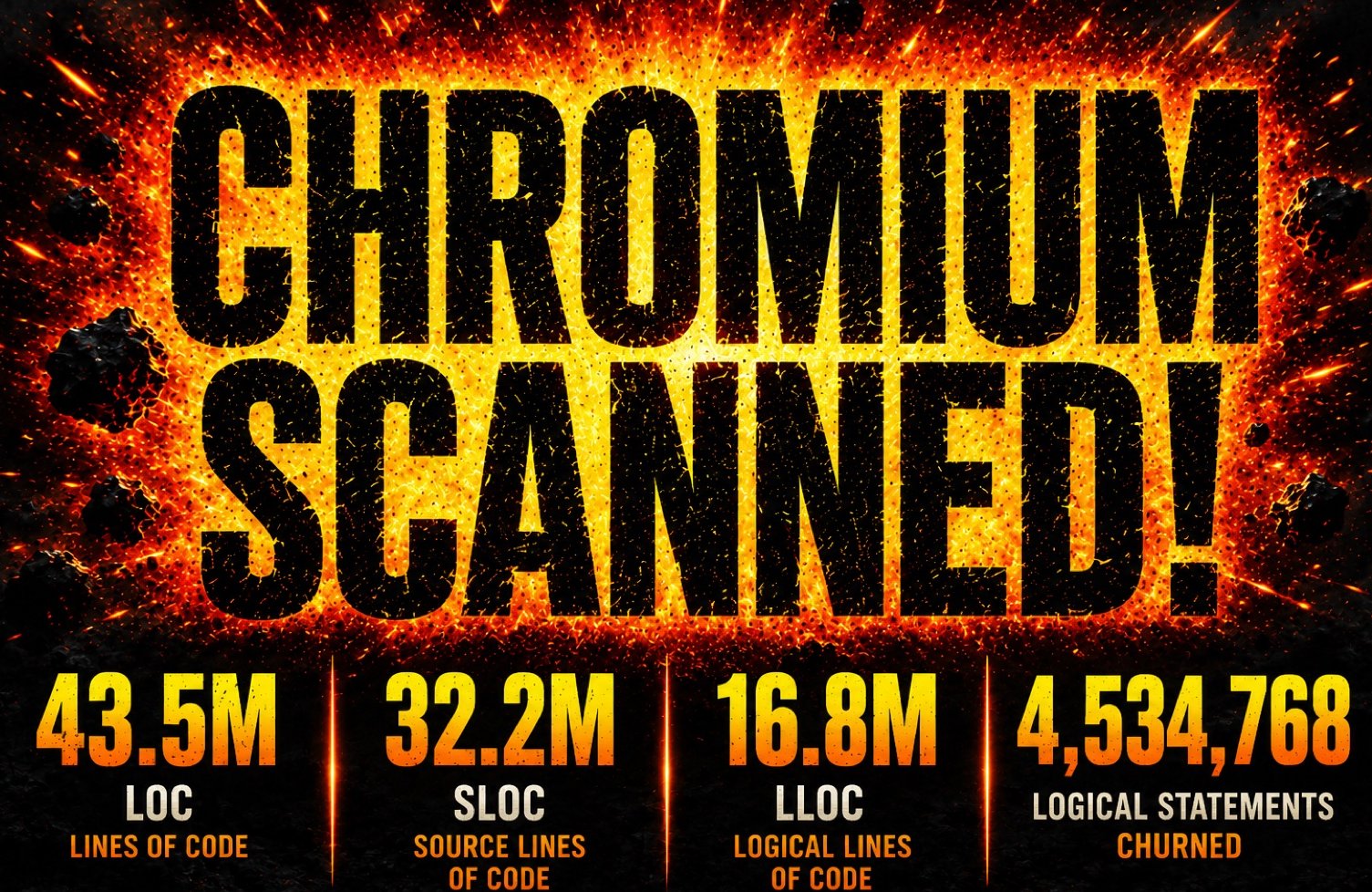
Talk is cheap. We scanned Chromium.
All 43.5 million lines, one command, one laptop — 4,534,768 logical statements of churn measured and published, with the method to reproduce every figure.
READ THE PAPER →